
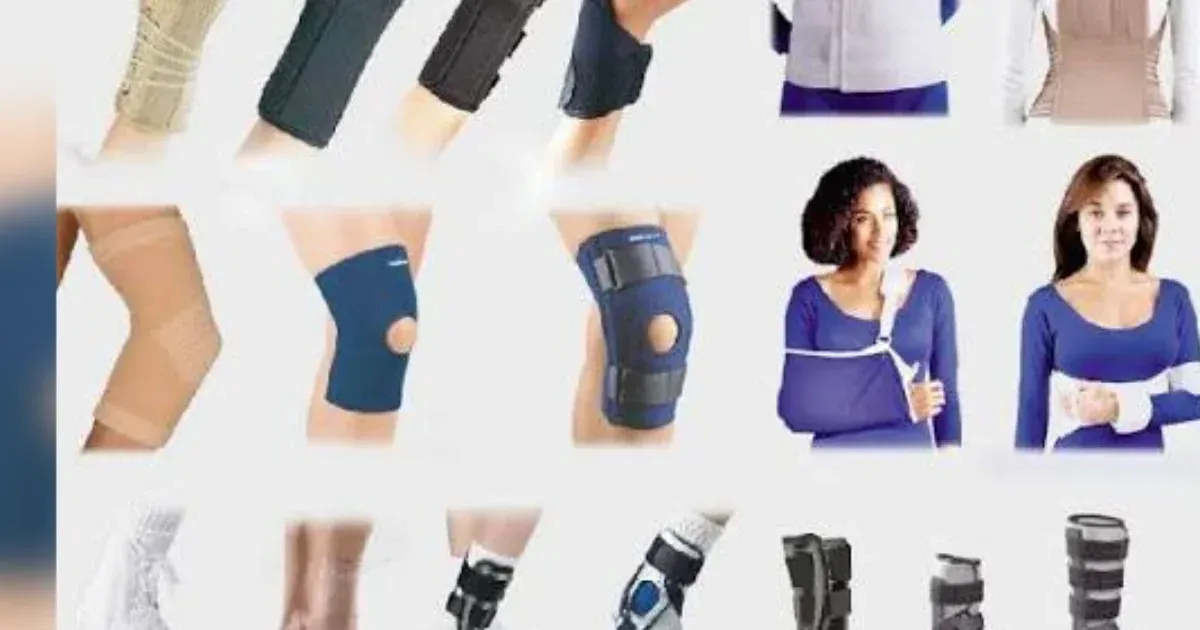
Orthopedic supports are designed to provide support, stability, compression, or controlled movement to different parts of the body. Common types include knee supports, wrist supports, ankle braces, elbow supports, shoulder supports, back supports, and cervical collars. If you are looking for orthopedic products in Nepal, understanding the different types and their uses can help you choose a suitable support based on your individual needs.
Orthopedic supports are commonly used to provide additional support and stability to different areas of the body. They are available in various designs, materials, and levels of support depending on the body part and intended use. From knee braces and wrist supports to shoulder immobilizers and cervical collars, these products can be useful for daily activities, sports, physical rehabilitation, and recovery when recommended by a healthcare professional.
If you are searching for orthopedic supports in Nepal, it is important to understand the differences between the available products before making a purchase. The right support depends on the body part, required level of support, size, comfort, and intended use.
What Are Orthopedic Supports?
Orthopedic supports are wearable devices designed to support or stabilize specific parts of the musculoskeletal system. Some provide gentle compression, while others are designed to restrict movement or provide more structured support.
They are available for different areas of the body, including the knee, wrist, ankle, elbow, shoulder, back, and neck. The appropriate product depends on the individual's requirements and, where necessary, the recommendation of a qualified healthcare professional.
1. Knee Supports and Braces
Knee supports are among the most commonly used orthopedic products. They are available in different designs depending on the level of support required.
Knee caps can provide compression and support during everyday activities, while hinged knee supports can provide additional stability. ROM knee braces are designed to help control the range of knee movement when specific movement restrictions are required.
When choosing a knee support, consider the size, material, level of support, adjustability, and intended use.
2. Wrist and Hand Supports
Wrist supports can help provide stability and support around the wrist during daily activities or recovery. Different designs include wrist wraps, wrist supports, thumb-support wrist braces, and cock-up splints.
A wrist support with additional thumb or hand stabilization may be suitable when greater restriction is required. The right option depends on the area that needs support and the level of movement control required.
3. Ankle Supports
Ankle supports and braces are designed to provide support around the ankle and can be used for sports, daily activities, or recovery when recommended.
They are available in different materials and designs, including elastic and more structured braces. When selecting an ankle support, consider the size, comfort, stability, and intended activity.
4. Elbow Supports
Elbow supports are designed to provide support and compression around the elbow. Products such as tennis elbow supports are commonly designed for targeted support around the forearm and elbow area.
For people who participate in sports or activities involving repetitive arm movement, selecting the appropriate type and size can help provide comfortable support during use.
5. Shoulder Supports
Shoulder supports are available in several designs, including shoulder immobilizers, shoulder supports, and shoulder abduction supports.
Different products provide different levels of movement restriction and support. A shoulder immobilizer is designed to restrict movement more than a simple shoulder support, while an abduction support is designed to position the arm at a specific angle.
The appropriate product should be selected according to the user's requirements and professional medical advice when necessary.
6. Back and Lumbar Supports
Back support belts and lumbar supports are designed to provide support around the lower back and waist. They are available in different materials and designs for various support requirements.
When choosing a back support, consider the size, adjustability, material, and level of support. A properly fitted support can be more comfortable for regular use.
7. Cervical Supports
Cervical collars are orthopedic supports designed to provide support and limit neck movement when required. They are available in soft, rigid, and adjustable designs.
The appropriate cervical collar depends on the level of support required. You can also read our detailed guide on how to choose the right cervical collar for more information about types, fitting, and important features.
How to Choose the Right Orthopedic Support
Choosing the right orthopedic support in Nepal involves more than selecting a product based on price. Consider the following factors:
Body part: Choose a product specifically designed for the area requiring support.
Level of support: Different products provide different levels of compression, stability, or movement restriction.
Size and fit: A properly fitted support is generally more comfortable and suitable for its intended use.
Material: Consider breathability, flexibility, durability, and comfort.
Adjustability: Adjustable straps or closures can help provide a more personalized fit.
Intended use: Consider whether the product is for daily activities, sports, rehabilitation, or another specific purpose.
Professional advice: For injuries, medical conditions, or post-operative recovery, follow the recommendations of a qualified healthcare professional.
Orthopedic Products in Nepal
If you are looking for orthopedic products in Nepal or Kathmandu, it is useful to compare products based on their design, size, material, support level, and intended use. The price of orthopedic supports in Nepal can vary depending on the brand, design, materials, and features.
AR Surgical Suppliers provides a range of orthopedic supports and medical products in Nepal, including knee, wrist, ankle, elbow, shoulder, back, and cervical supports. Customers can select products according to their individual requirements and check the available sizes and specifications before purchasing.
Conclusion
Orthopedic supports are available in many different forms, from simple compression supports to structured braces designed for greater stability and movement control. Knee supports, wrist braces, ankle supports, elbow supports, shoulder supports, back supports, and cervical collars each serve different purposes.
Before purchasing an orthopedic support, consider the body part, size, level of support, material, comfort, adjustability, and intended use. For injuries, medical conditions, or recovery after surgery, it is important to follow professional medical advice when selecting and using an orthopedic support.