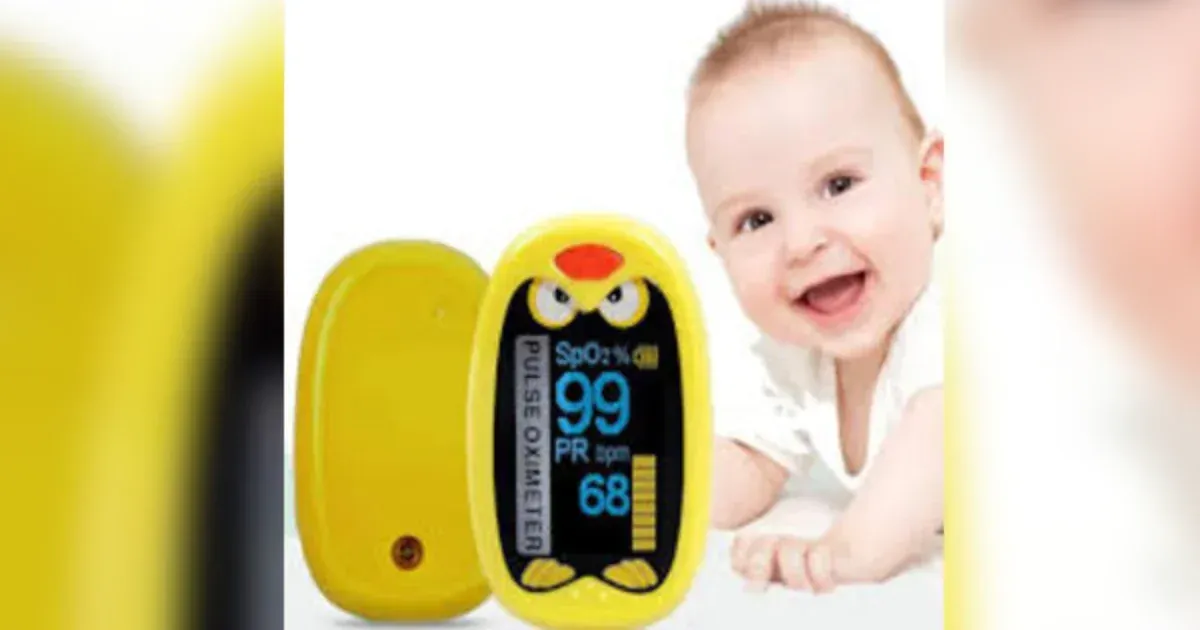
A Pediatric Child Pulse Oximeter is a compact medical monitoring device used to measure blood oxygen saturation (SpO₂) and pulse rate in children. Designed with child-appropriate sizing and application in mind, it can be useful for monitoring oxygen levels in hospitals, clinics, pediatric care, and selected home-care situations. Learn about its features, uses, benefits, and buying considerations in Nepal.
A Pediatric Child Pulse Oximeter is a non-invasive medical monitoring device designed to measure blood oxygen saturation (SpO₂) and pulse rate in children. Pulse oximeters work by using light-based measurement to estimate the percentage of oxygen saturation in the blood and detect the user's pulse rate. Because children have smaller fingers and may move more during measurement, using a device designed or specified for pediatric application can help provide a more suitable fit and practical measurement experience. Pediatric pulse oximeters may be used in hospitals, clinics, pediatric departments, emergency-care settings, and selected home-care situations where oxygen saturation monitoring has been recommended. For parents, caregivers, and healthcare providers searching for a Pediatric Child Pulse Oximeter in Nepal, choosing a device appropriate for the child's age, size, and intended application is an important consideration.
A pediatric pulse oximeter can be useful when healthcare professionals need to monitor oxygen saturation and pulse rate over time. Depending on the child's condition and medical advice, measurements may be taken during routine monitoring, illness, recovery, or other situations where oxygen saturation needs to be observed. The device is generally quick and non-invasive, making it convenient for short measurements without requiring a blood sample. However, pulse oximeter readings should always be interpreted in the context of the child's symptoms and overall condition. Factors such as movement, poor circulation, cold fingers, incorrect positioning, sensor fit, and other conditions can affect readings. A pulse oximeter should therefore be considered a monitoring tool rather than a standalone diagnostic device, and parents or caregivers should seek appropriate medical advice when a child is unwell or shows concerning symptoms.
When choosing a Pediatric Child Pulse Oximeter in Nepal, buyers should consider the recommended age or size range, sensor or finger fit, SpO₂ measurement range, pulse-rate measurement, display readability, measurement response, battery type, build quality, and ease of use. Pediatric suitability is particularly important because a device that is too large or poorly fitted may not provide an appropriate measurement. Buyers should also consider whether the device is intended for occasional home monitoring or more frequent clinical use, as professional environments may require equipment with specific accuracy, durability, and regulatory requirements. For customers looking for a Pediatric Pulse Oximeter in Kathmandu or elsewhere in Nepal, purchasing from a reliable medical equipment supplier can help ensure that the selected device is appropriate for the intended child and application.
Key Features of a Pediatric Child Pulse Oximeter:
A Pediatric Child Pulse Oximeter is designed to provide non-invasive monitoring of oxygen saturation and pulse rate. Its compact format can make it convenient for quick checks, while a digital display allows the measured values to be viewed directly. Depending on the model, features may include an easy-to-read screen, low-battery indication, automatic power-off, pulse waveform or signal indication, and other monitoring functions. Features and specifications vary between models, so buyers should always check the exact product details before purchasing.
Uses of Pediatric Pulse Oximeter:
A pediatric pulse oximeter may be used to monitor SpO₂ and pulse rate in children when such monitoring is appropriate. Hospitals, pediatric clinics, emergency departments, healthcare facilities, and caregivers at home may use pulse oximetry when recommended by a healthcare professional. It can be useful for observing changes in oxygen saturation during illness or recovery, but it should not replace professional assessment. If a child has breathing difficulty, unusual drowsiness, bluish discoloration, severe weakness, or other concerning symptoms, medical attention should be sought rather than relying only on a pulse oximeter reading.
Benefits of Using a Child Pulse Oximeter:
One of the main benefits of pulse oximetry is that it provides a quick and non-invasive way to obtain an estimate of blood oxygen saturation and pulse rate. No blood sample is required, and measurements can generally be obtained within a short period when the device is properly positioned and the child remains reasonably still. A suitable pediatric device can also make monitoring more convenient because its design and fit are intended for smaller users. For healthcare professionals and caregivers who have been advised to monitor a child's oxygen saturation, a suitable pulse oximeter can provide useful information alongside clinical assessment.
How to Choose a Pediatric Pulse Oximeter in Nepal:
When selecting a Pediatric Child Pulse Oximeter, buyers should first check the manufacturer's recommended age, weight, finger size, or application range. The device should fit the child appropriately and should be capable of producing a stable reading when correctly positioned. Other factors to consider include SpO₂ accuracy specifications, pulse-rate measurement, display visibility, battery life, ease of operation, durability, and warranty or after-sales support. Buyers should also check whether the device is intended for home monitoring or professional clinical use. For a Pediatric Pulse Oximeter in Nepal, selecting a product from a reliable medical supplier can help users obtain appropriate product information and support.
Factors That Can Affect Pulse Oximeter Readings:
Several factors can influence pulse oximeter measurements, particularly in children. Movement, crying, cold fingers, poor peripheral circulation, incorrect positioning, loose or unsuitable sensor fit, and external light can interfere with the measurement signal. Nail products or other factors affecting the sensor's light path may also influence readings in some circumstances. For better measurement, the child should be as still and comfortable as possible, and the sensor should be positioned correctly according to the manufacturer's instructions. Unexpected readings should be considered together with the child's symptoms and, when necessary, confirmed through professional medical evaluation.
Where to Buy Pediatric Child Pulse Oximeter in Nepal:
Customers looking for a Pediatric Child Pulse Oximeter in Nepal can consider AR Surgical Suppliers for medical, diagnostic, hospital, and home-care equipment. A pediatric pulse oximeter can be useful for hospitals, clinics, pediatric care settings, and home monitoring when recommended by a healthcare professional. Customers in Kathmandu and other parts of Nepal can contact AR Surgical Suppliers to check available models, specifications, age suitability, current pricing, and warranty information. When purchasing a pulse oximeter for a child, it is important to select an appropriate pediatric device and use it according to the manufacturer's instructions and professional medical guidance.