
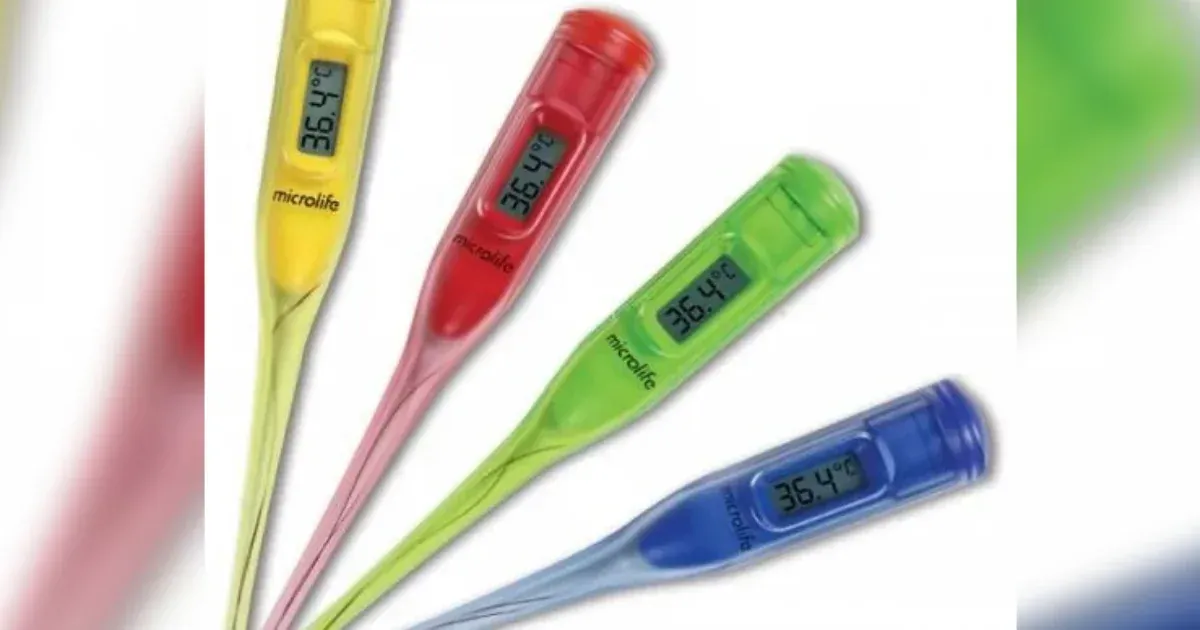
A digital thermometer is a useful healthcare device for measuring and monitoring body temperature at home, clinics and healthcare facilities. Microlife offers different thermometer options, including conventional digital thermometers and non-contact infrared models, with features such as flexible tips, fever alarms, memory functions and fast measurements. Choosing the right thermometer depends on measurement method, speed, ease of use and intended application.
A digital thermometer is a commonly used healthcare device for measuring body temperature and monitoring changes that may occur during fever or illness. Compared with traditional mercury thermometers, modern digital thermometers provide an electronic temperature reading and are available in different designs for different needs. Microlife offers several digital thermometer models, including conventional contact thermometers such as the MT 600 and MT 800, as well as multifunctional models such as the MT 850. Depending on the model, features can include flexible measuring tips, waterproof construction, automatic switch-off, low-battery indication, memory functions and fever alarms. For example, the Microlife MT 800 provides a 10-second measurement, flexible tip, fever alarm and last-measurement memory, while the MT 600 is designed for a 60-second measurement and includes a waterproof construction and one-reading memory.
When choosing a digital thermometer for home use in Nepal, it is important to consider how the temperature will be measured and who will use the device. Conventional digital thermometers can be used through appropriate measurement sites such as oral, rectal or axillary methods according to the manufacturer's instructions, while non-contact infrared thermometers measure temperature without requiring direct contact. Microlife's range includes models such as the NC 300 and NC 400 non-contact thermometers, which offer touch-free measurements, fever alerts and memory functions; the NC 400 can measure body, object and ambient temperature and provides 30-memory storage. Contact models can be useful when a simple conventional thermometer is preferred, whereas non-contact models can be convenient when quick, hygienic and touch-free measurement is important.
A suitable thermometer can be useful for families, caregivers, medical professionals and individuals who regularly monitor body temperature. The best choice depends on the user's requirements rather than simply selecting the thermometer with the highest number of features. Buyers should consider measurement time, measurement range, stated accuracy, measurement method, display readability, memory, cleaning requirements, battery type and ease of use. Microlife's current thermometer range includes models with different measurement times and functions, from straightforward digital thermometers to multifunctional and non-contact options. Checking the exact model specifications before purchase helps ensure that the thermometer is appropriate for the intended home, clinic or healthcare use.
What Is a Digital Thermometer?
A digital thermometer is an electronic device designed to measure temperature and display the result on a digital screen. It uses a temperature sensor rather than mercury and can be designed for contact or non-contact measurement. Conventional Microlife models such as the MT 600 and MT 800 are contact digital thermometers, while models in the NC series use infrared technology for non-contact measurement.
Key Features of Microlife Digital Thermometers
Features vary according to the Microlife model. Depending on the product, users may find flexible measuring tips, fast measurement times, fever alarms, memory storage, waterproof construction, automatic switch-off, low-battery indication and mercury-free design. For example, the MT 800 offers a flexible tip, 10-second measurement, fever alarm, last-reading memory and waterproof construction. The MT 850 adds 3-in-1 body, water-bath and ambient temperature measurement, along with an 8-second measurement and Gold Temp technology.
Types of Microlife Thermometers
Microlife's thermometer range includes conventional digital thermometers and infrared thermometers. Conventional models such as the MT 600, MT 800 and MT 610 use a measuring tip for contact temperature measurement. The MT 850 provides additional body, water-bath and ambient measurement modes. Non-contact models such as the NC 300 and NC 400 use infrared measurement and can provide touch-free readings, while the NC 400 also includes object and ambient temperature modes.
Uses of a Digital Thermometer
Digital thermometers are commonly used to measure and monitor human body temperature at home, clinics and other healthcare settings. They can be useful when monitoring a person's temperature during periods of illness or when regular temperature checks are required. Depending on the model, a thermometer may also provide memory storage, fever indication or other functions that make repeated measurements more convenient.
Who Can Use a Digital Thermometer?
Digital thermometers can be used by families, caregivers and healthcare professionals when appropriate for the model and measurement method. They are particularly useful for households that want a convenient way to monitor body temperature. When measuring temperature in children, elderly people or individuals who may have difficulty remaining still, users should select a suitable thermometer and follow the manufacturer's instructions carefully.
How to Choose the Right Digital Thermometer for Home Use
When choosing a digital thermometer, first consider whether you prefer contact or non-contact measurement. For a conventional option, look at measurement time, flexible-tip design, waterproofing, display, memory and battery requirements. For an infrared thermometer, consider measurement distance, measurement time, fever indication, memory and whether body, object or ambient temperature measurement is required. It is also important to check the manufacturer's stated measurement range and accuracy for the specific model rather than assuming that all digital thermometers have identical specifications.
How to Use a Digital Thermometer Correctly
Always use the thermometer according to the instructions provided with the specific model. For contact thermometers, the measuring tip should be positioned at the recommended measurement site and the user should wait for the device's measurement indication before recording the result. Microlife's MT 16C2 instructions, for example, specify oral, rectal or axillary use and provide instructions for cleaning and disinfection. For non-contact thermometers, correct positioning and measurement distance are important for obtaining an appropriate reading.
Cleaning and Maintenance
Proper cleaning is important when a thermometer is used by multiple people or repeatedly used over time. Follow the manufacturer's cleaning and disinfection instructions for the exact model and avoid using unsuitable chemicals that could damage the device. Some Microlife digital thermometers are designed to be waterproof or disinfection-friendly, but this feature varies by model. Battery condition should also be checked periodically, particularly if the thermometer displays a low-battery warning.
Microlife Digital Thermometer in Nepal
For people searching for a Microlife Digital Thermometer in Nepal, selecting the right model depends on the intended use, measurement method and required features. Microlife offers several thermometer options, ranging from simple contact digital thermometers to fast and multifunctional models and non-contact infrared thermometers. Buyers should check the exact model, specifications, included accessories, warranty and current availability before purchasing.
At AR Surgical Suppliers, customers can explore medical and healthcare products in Kathmandu, including thermometers and other home-care and diagnostic equipment. Contact the supplier to confirm the currently available Microlife thermometer models, price and availability.
Conclusion
A digital thermometer is a practical device for monitoring body temperature at home and in healthcare environments. Microlife provides different thermometer designs with features such as fast measurements, flexible tips, fever alarms, memory, waterproof construction and non-contact infrared measurement, depending on the model. When choosing a thermometer in Nepal, consider the measurement method, speed, accuracy, ease of use, cleaning requirements and the needs of the person who will use it. Selecting the appropriate model can make routine temperature monitoring simpler and more convenient.