A cervical collar is designed to provide support and help limit neck movement when recommended for specific conditions or recovery needs. Choosing the right cervical collar depends on factors such as size, level of support, material, comfort, and adjustability. If you are looking for a cervical collar in Nepal, this guide explains the common types, important features, and factors to consider before buying a neck support collar.
A cervical collar, also called a neck collar or cervical neck support, is an orthopedic support designed to help restrict or stabilize neck movement. Cervical collars may be recommended by healthcare professionals for certain neck conditions, injuries, or during recovery. If you are searching for a cervical collar in Nepal, understanding the different types and choosing an appropriate fit is important for comfort and proper support.
What Is a Cervical Collar?
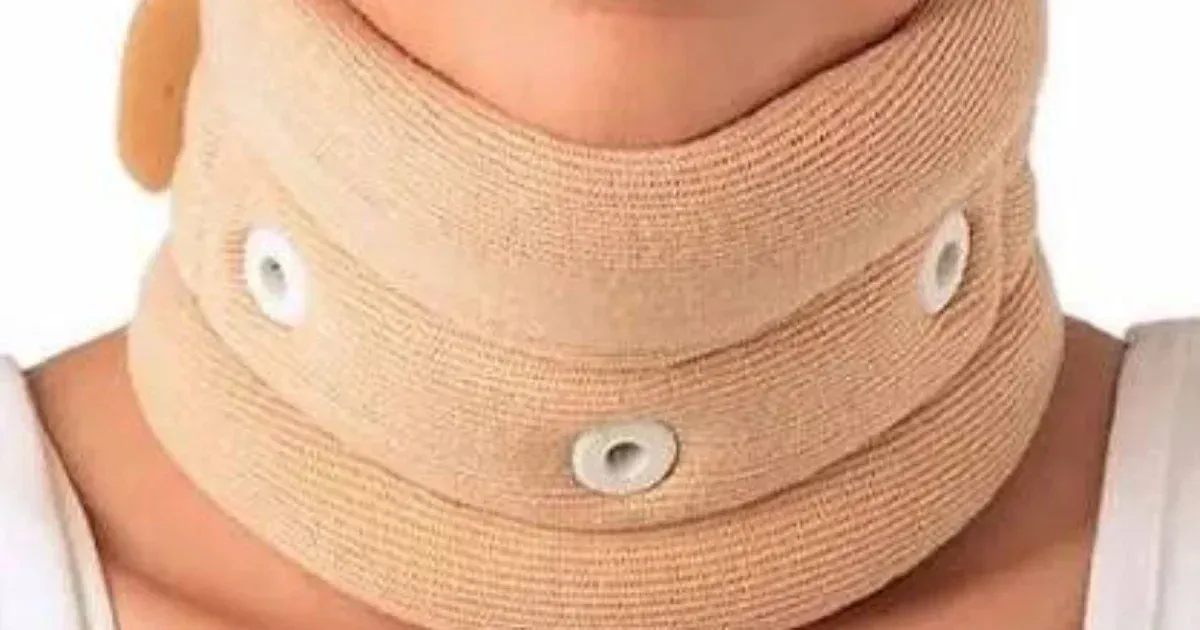
A cervical collar is worn around the neck and is designed to provide varying levels of support depending on its construction. Some collars are soft and flexible, while others are more rigid and provide greater restriction of movement.
The appropriate type depends on the individual's condition and the level of support recommended by a healthcare professional. A cervical collar should not be selected solely based on appearance or price.
Types of Cervical Collars
There are several types of cervical collars available for different support requirements.
Soft cervical collars are generally made from soft foam or similar cushioning materials. They provide gentle support and can be comfortable for certain situations where limited neck movement is required.
Rigid cervical collars are designed with firmer materials and provide greater restriction of neck movement. They may be used when more substantial immobilization is required, but the appropriate type should be selected according to professional medical advice.
Adjustable cervical collars allow the fit to be modified according to the user's neck size and support requirements. Adjustable designs can be useful when a more personalized fit is needed.
How to Choose the Right Cervical Collar
When choosing a cervical collar, several factors should be considered.
Size and fit: The collar should fit appropriately around the neck without being excessively tight or loose. An incorrect size can affect comfort and the intended support.
Level of support: Different collars provide different levels of restriction. A soft collar may provide gentle support, while a rigid collar offers greater restriction. The required level of support should be determined according to the user's needs and professional advice.
Material and comfort: If the collar is worn for extended periods, soft and skin-friendly materials can make it more comfortable. Breathable materials can also help reduce discomfort caused by heat and moisture.
Adjustability: Adjustable straps or closures can make it easier to achieve a suitable fit. However, adjustments should be made according to the manufacturer's instructions.
Soft vs Hard Cervical Collar
The main difference between soft and hard cervical collars is the level of support and restriction they provide. Soft collars are generally more flexible and provide lighter support, while hard or rigid collars are designed to restrict movement more significantly.
The choice should not be based simply on which type feels more comfortable. The appropriate collar depends on why it is being used and the level of support recommended by a healthcare professional.
What to Check Before Buying a Cervical Collar in Nepal
If you are searching for a cervical collar in Kathmandu or elsewhere in Nepal, check the size range, material, adjustability, construction, and intended use before purchasing.
It is also useful to check whether the product is available in different sizes and whether replacement or related orthopedic support products are available. The cervical collar price in Nepal can vary depending on the brand, design, material, and level of support.
Choosing a suitable product based only on the lowest price may not provide the comfort or support required.
How to Use a Cervical Collar
A cervical collar should be worn according to the instructions provided by a healthcare professional or the manufacturer. It should sit correctly around the neck without causing excessive pressure or discomfort.
If the collar causes significant discomfort, skin irritation, numbness, difficulty breathing, or other concerning symptoms, it should be removed or adjusted as appropriate and professional medical advice should be sought.
Cervical Collar for Neck Support
A cervical collar can be used as part of a broader care or recovery plan when recommended by a healthcare professional. It is important to understand that a cervical collar is a support device and is not intended to independently diagnose or treat the underlying cause of neck discomfort
For people who have been advised to use a cervical collar, selecting the correct size and type can help provide appropriate support while maintaining comfort during use.
Where to Buy a Cervical Collar in Nepal?
If you are looking for cervical collars and orthopedic supports in Nepal, AR Surgical Suppliers provides a range of medical, orthopedic, and home-care products. Customers can compare available cervical support products according to size, design, material, and intended use
For customers in Kathmandu and other areas of Nepal, checking product specifications and availability before purchasing can help ensure that the selected cervical collar is suitable for the intended requirement.
Conclusion
Choosing the right cervical collar involves considering size, fit, material, adjustability, comfort, and level of support. Soft, rigid, and adjustable cervical collars are designed for different support requirements, so the appropriate option depends on the user's individual needs.
If you are searching for a cervical collar in Nepal, compare the product specifications carefully and follow the recommendations of a qualified healthcare professional when a cervical collar is being used for an injury, medical condition, or recovery.